


Día de los Muertos (Day of the Dead) – Mexican celebration of life and remembrance
The turn of October and November is a time of special remembrance for deceased loved ones in many places around the world. The traditional pumpkins and costumes offered by pop culture's Halloween aren't for everyone. Not everyone feels like celebrating the melancholic All Souls' Day either. So perhaps it's time to try something completely new?
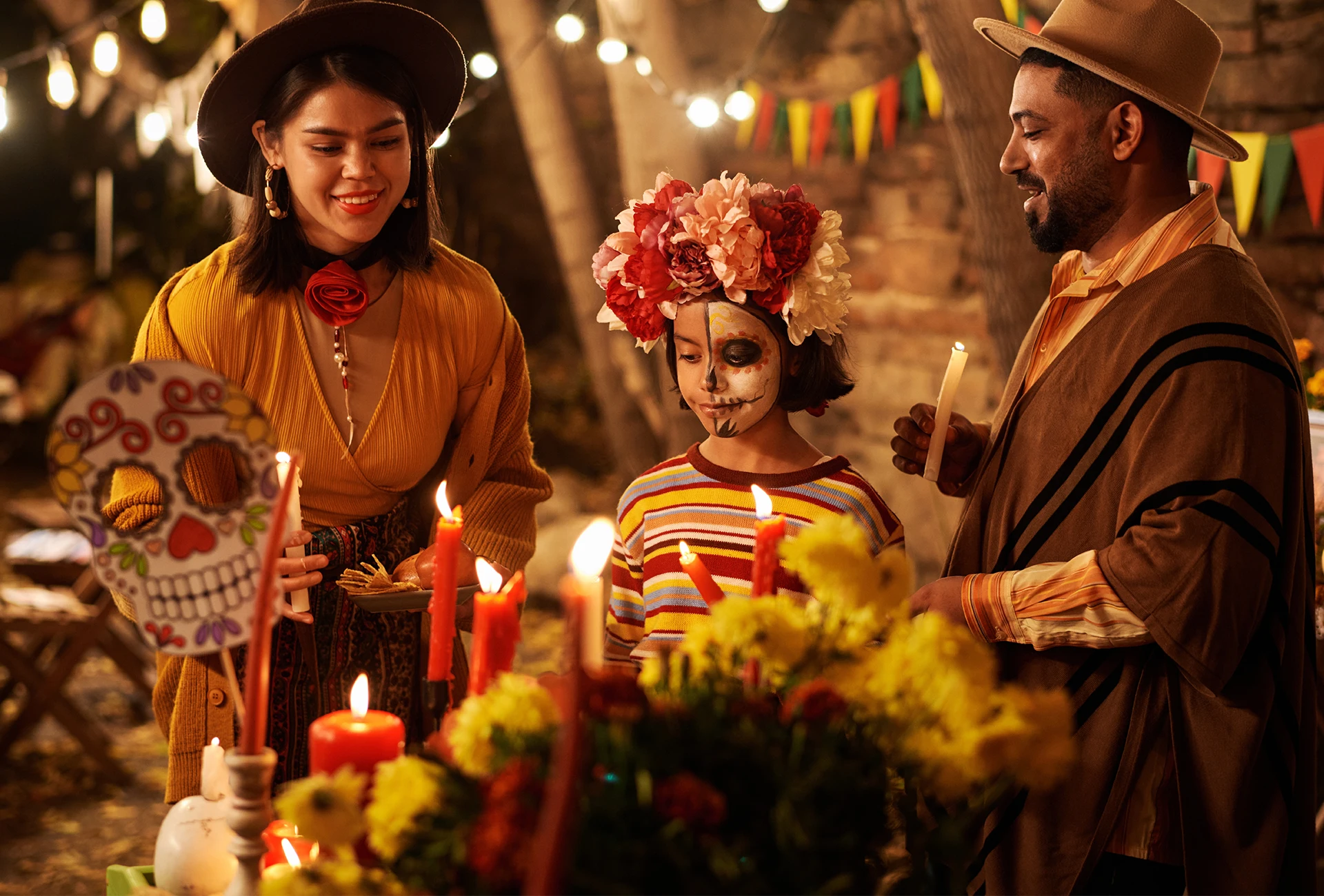
Día de los Muertos – literally “Day of the Dead” – is a joyful, colorful Mexican holiday that celebrates the memory of loved ones, not death itself.
Since 2003, UNESCO has recognized the Day of the Dead – Día de los Muertos – as cultural heritage, and thanks to films like "Coco", this Mexican tradition has become known around the world.
In Mexico, this time is a true festival: music, colors, aromas, and shared food. It is believed that on these days, the line between the worlds of the living and the dead becomes thinner, and the souls of deceased loved ones return to enjoy the flavors they loved in life with their families.
Summary of the article in a nutshell
- What is Día de los Muertos? This Mexican holiday of remembrance, celebrated on November 1 and 2, is joyful, full of colors and flavors.
- Origin. It combines the pre-Hispanic traditions of the Aztecs with the Catholic All Saints' Day and All Souls' Day.
- Symbol. Sugar skulls (calaveras de azúcar), paper cutouts (papel picado), marigold flowers (flores de cempasúchil), La Catrina.
- The heart of the holiday. Altar with offerings (altar de muertos) – a home offering with food, photos and flowers.
- Kitchen. Tamales, pozole, mole, bread of the dead (pan de muerto), coffee with cinnamon (café de olla) – the tables are laden with delicacies.
- How to organize a celebration at home? With Casa del Sur products you can create your own Mexican evening of memories and flavors.
Contents
- What is Día de los Muertos and why is it celebrated?
- The history and origin of Día de los Muertos
- When is Dia de los Muertos celebrated?
- Altar with offerings and key symbols
- Dia de los Muertos cuisine
- Día de los Muertos and Halloween
- How to organize a celebration at home?
- Summary
- Most frequently asked questions
What is Día de los Muertos and why is it celebrated?
Dia de los Muertos (or Día de la Muerte – Day of the Dead) is one of the most important traditions in Mexico. It's not a mournful reflection, but a celebration full of color, music, and aromas, celebrating the day of remembrance for the dead. It's believed that the souls of the dead return to visit the living, and families welcome them with specially prepared offerings.
All Saints' Day is celebrated on November 1 and 2. The holiday dates back to pre-Hispanic times and was merged with the Catholic celebrations of All Saints' Day and All Souls' Day—a process in which evangelizers played a key role. All Saints' Day combines Mexican and Catholic traditions into a unique celebration unlike any other.
In 2003 year UNESCO has recognized All Souls' Day as cultural heritage, and the holiday has been granted the status of Intangible Cultural Heritage of Humanity. For Polish readers, it's worth noting that the idea of remembering loved ones is common here with our All Souls' Day, but the emotions are completely different – in Mexico, it's more about color, conversation, and cooking together to share moments with loved ones.
History and origins of Día de la Muerte
The traditions of the Day of the Dead date back thousands of years. The Day of the Dead has its roots in Mesoamerican cultures, primarily in the beliefs of the Aztecs, for whom death was a natural part of the life cycle and did not arouse fear.
According to Aztec cosmology, Mictlán was the place where the dead went. The soul had to journey for four years through nine levels of the underworld to reach the lords of death – Mictlantecuhtli and Mictecacíhuatl. Pre-Hispanic festivals commemorating the dead were held in different months – only after the arrival of Spanish missionaries were the dates of the ancient rituals shifted to the end of October and November 2nd, aligning with the Catholic calendar.
In the 19th and 20th centuries, the contemporary image of the holiday was greatly influenced by the artwork of José Guadalupe Posada and his La Catrina – an elegant, smiling skull that became an iconic figure associated with the Day of the Dead. The Day of the Dead ceremony refers to the practice of honoring ancestors – a living proof of how indigenous traditions and Catholicism can coexist.
When is Dia de los Muertos celebrated? Dates and meanings of each day
Although the main dates are November 1st and 2nd, in many regions of Mexico the celebrations begin as early as late October. Each day has its own significance:
- 31 October – preparation time: decorations, paper cutouts, setting up the altar and the first offerings.
- November 1 – Little Angels Day – a day dedicated to the memory of deceased children. Brighter colors, toys, and sweets appear on the altar.
- November 2 – Day of the Faithful Departed – the main day of All Souls' Day, dedicated to the adult dead. Families spend the night in cemeteries, remembering their deceased loved ones while listening to mariachi music.
In Mexico, ceremonies are held in Oaxaca, Mixquic, and Patzcuaro—regions where traditions are particularly profound. In some communities, celebrations even begin on October 27–28, when the souls of those who died tragically are symbolically welcomed.
The altar with offerings and key symbols: what a home offering looks like
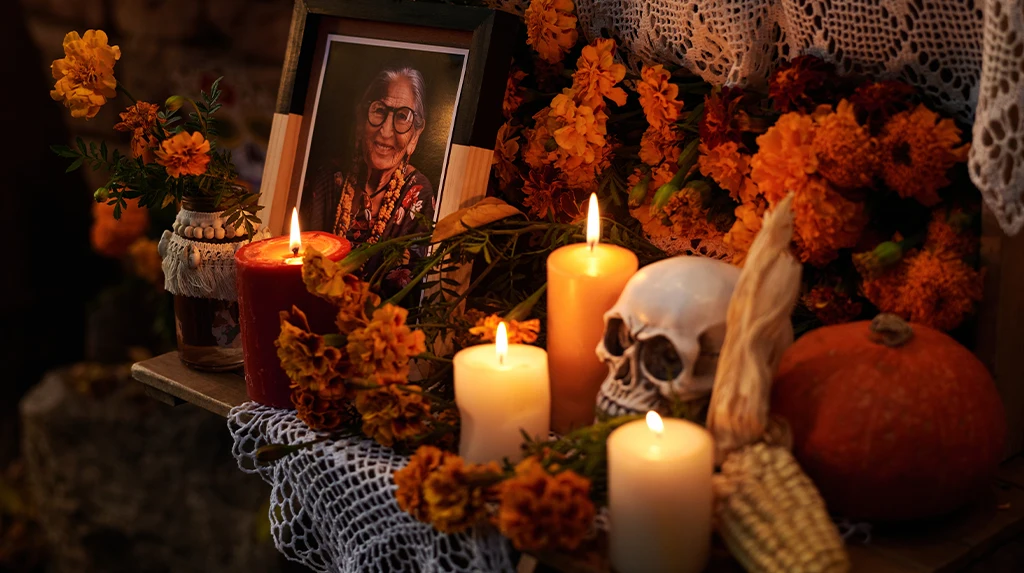
The altar of offerings is the heart of the holiday—the place where families prepare offerings to honor their loved ones. The altar of offerings is a central element of the Day of the Dead celebration. It typically has two, three, or seven levels, symbolizing heaven, earth, and the underworld.
Offerings include the deceased's favorite foods and marigold flowers. Each item serves a specific purpose:
| Element | Symbolika |
|---|---|
| Marigold flowers | Their scent guides souls home |
| Candles | They light the way for the souls of the dead |
| Water | Quenches the thirst of souls after a long journey |
| Salt | Cleansing and protection |
| Paper cutouts | The element of wind, the fragility of life |
| Incense | The smoke that connects the world of the living with the dead |
| Photo of the deceased | Identifies to whom the offering is dedicated |
| Sugar skulls | Taming Death |
La Catrina is also a very important symbol of the holiday. La Catrina is an iconic figure who reminds us that in the face of death, we are all equal.
Dia de los Muertos cuisine: traditional dishes, sweets and drinks
For Mexicans, offering food to the dead is part of their tradition—food is the language of love, even for those who have passed away. Tables during the Day of the Dead are filled with delicacies:
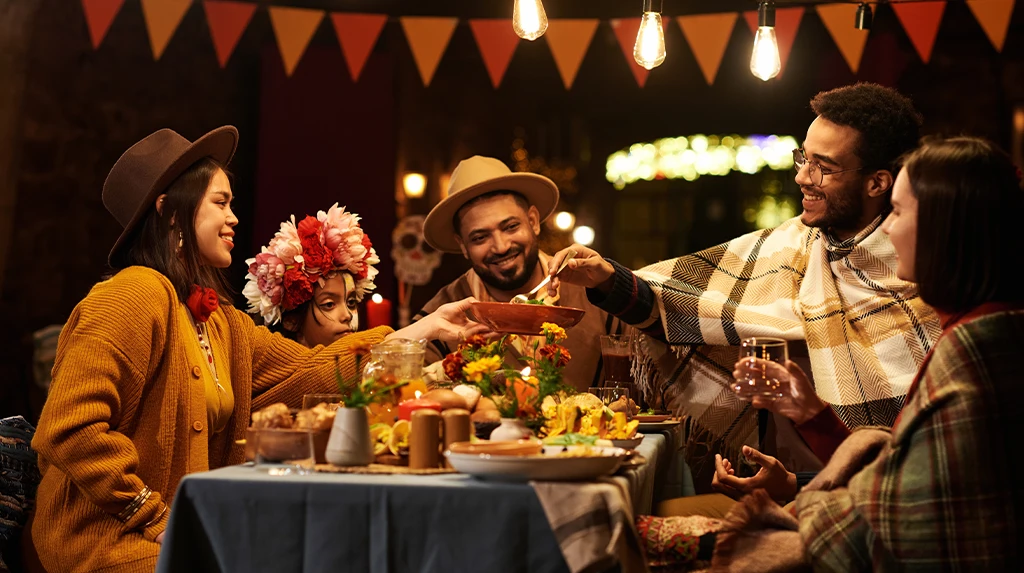
Main dish:
- Tamales – corn mass with meat, vegetables or a sweet version, wrapped in corn leaves.
- pozole – a flavorful, hearty corn and meat soup. Try this, for example. Mexican green soup pozole verde.
- mole – a complex sauce made of chili, spices, nuts and chocolate, most often served with poultry. Check out our recipe.
Sweets:
- Bread of the Dead is a traditional bread eaten during All Souls' Day – fluffy, yeasty, with a delicate orange flavor, decorated with dough “bones.”
- Sugar Skulls – beautifully decorated sugar skulls.
- Other sweets – colorful, decorated with icing, sometimes with the name of the deceased.
Drinks:
- Coffee with cinnamon and brown cane sugar.
- Hot chocolate.
Día de los Muertos and Halloween – similarities and differences
Although Day of the Dead falls around the same time as Halloween and both holidays are associated with skulls, their cultural significance is quite different. It's worth knowing these differences:
- Halloween – a celebration of fun, dressing up, and fear (Celtic roots, "trick or treat"). Themes focus on horror.
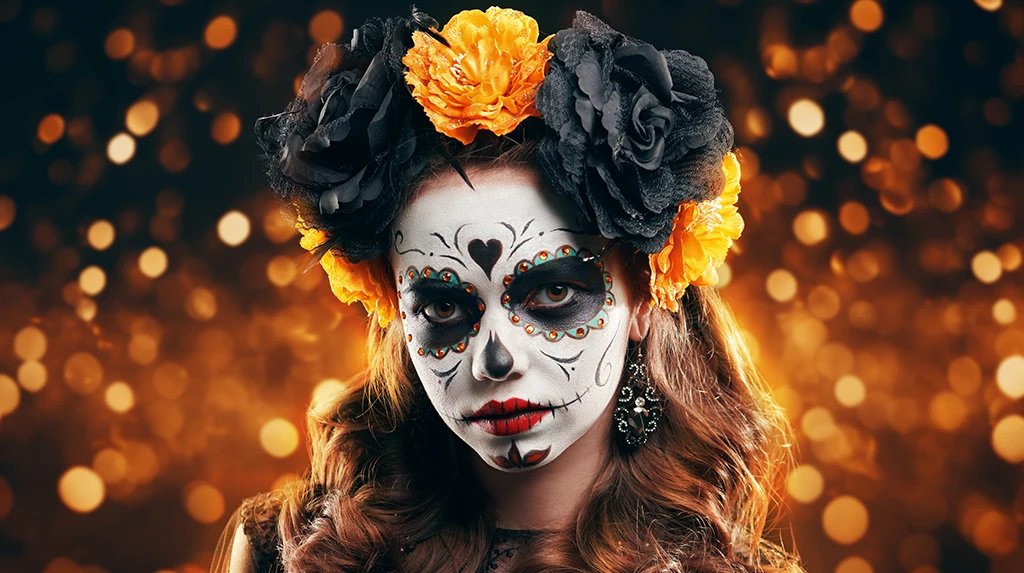
- Day of the Dead in Mexico – a family ritual of remembrance and joy in life, deeply rooted in Mexican tradition. Sugar skulls and skeletons are colorful, smiling, and friendly. Painting faces like skulls is a popular tradition – not for scary purposes, but to celebrate Memorial Day.
For us Poles, Día de los Muertos (also known as "Day of the Dead") can be an interesting, less commercial alternative – with a greater emphasis on family, memories and cooking together.
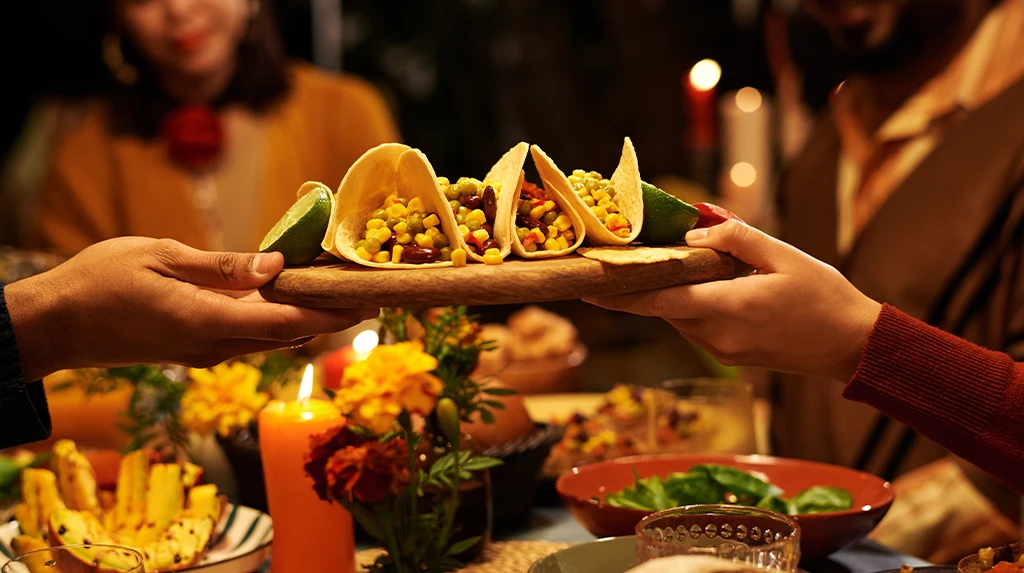
How to organize Day of the Dead at home – inspiration from Casa del Sur
You don't have to perfectly replicate the rituals of indigenous communities to feel the spirit of this holiday. Warmth, family, and good food are all you need. Prepare paper cutouts, colorful skulls, flower bouquets, candles, Mexican snacks, and Spanish music in the background. Organize face painting, dancing, or a group viewing of the movie "Coco." It's also worth reminiscing by telling happy stories about deceased loved ones.
Enjoy Casa del Sur's recipes for simple dishes and snacks for a Mexican evening:
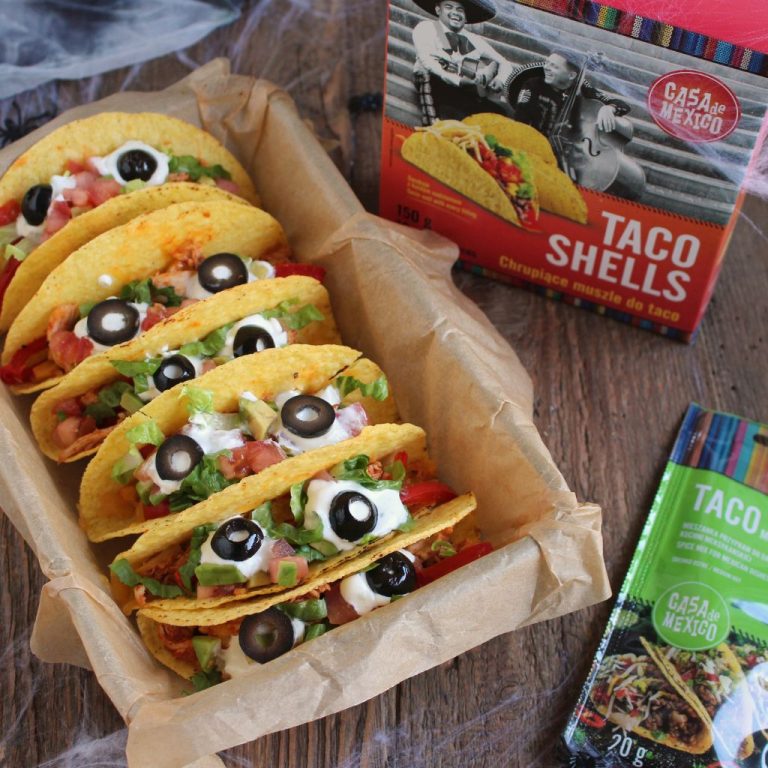
- Tacos with guacamole, chicken and vegetables
- Baked nachos with cheese
- Burrito with minced meat
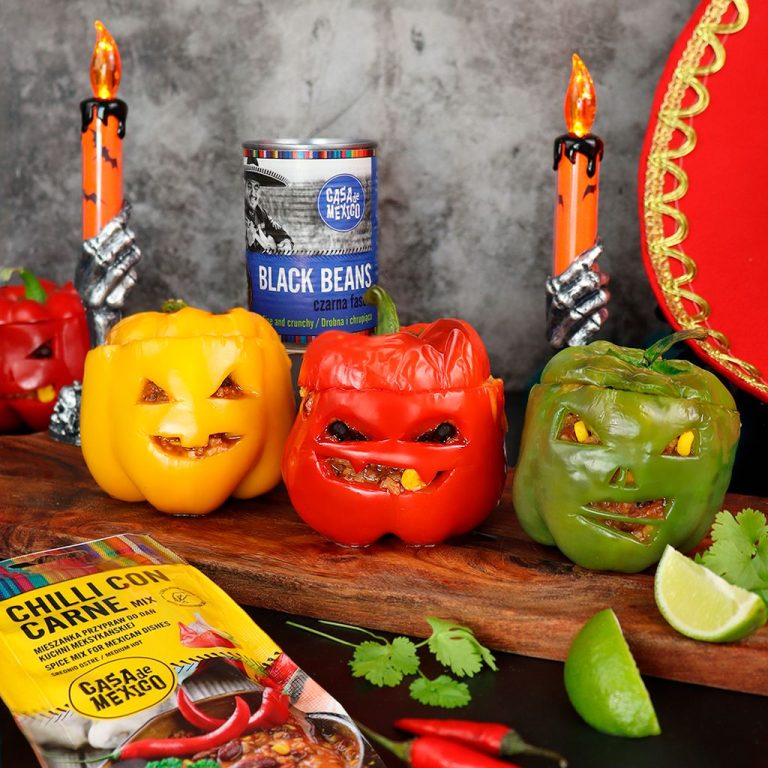
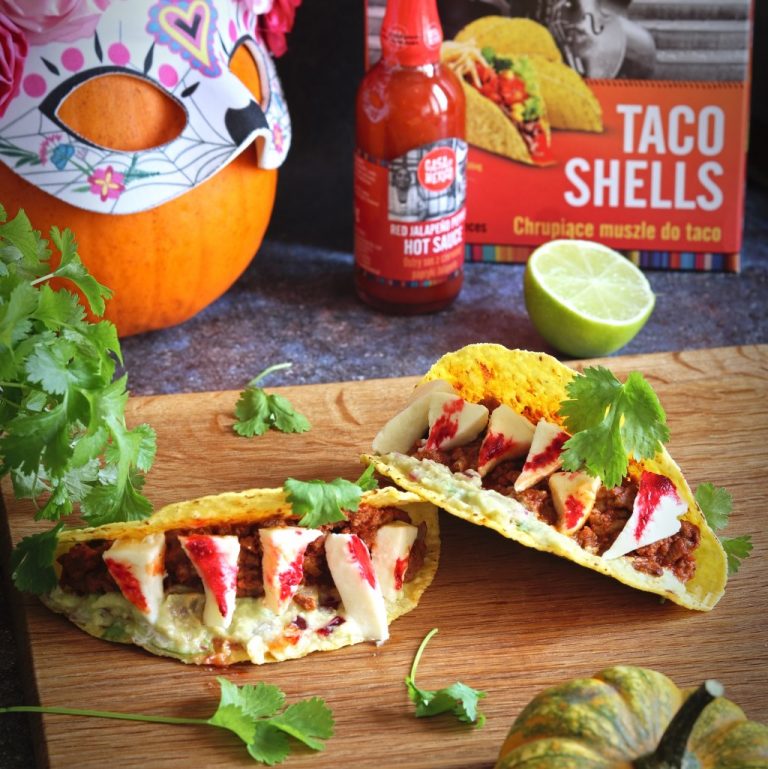
- "Terrible tacos” – and other thematic recipes perfect for this occasion
Each of these dishes is easy to prepare thanks to Casa del Sur products—tortillas, salsas, beans, jalapeños, and ready-made spices. Find more Mexican recipes at our website.
Proposed recipes
Summary – What to remember about Dia de los Muertos
Day of the Dead is a celebration of life—a celebration that transforms the memory of the dead into a joyful feast filled with music, color, and flavor. Here are three ideas worth taking away from this tradition: death as a natural part of life, family and community as the center of every celebration, and cuisine as a bridge between worlds—a flavor that "evokes" memories.
Mexican celebrations combine pre-Columbian beliefs with Catholicism, creating something you won't find anywhere else. If you want to reflect on your loved ones through the lens of gratitude and celebration at the turn of October and November, reach for Casa del Sur products and create your own delicious ritual inspired by the Day of the Dead. Qué aproveche, meaning bon appétit!
Learn the translation of words associated with this holiday:
- día de la muerte — day of death
- Day of the Dead — Day of the Dead
- de muerto — deceased / dead
- día de muertos en — Day of the Dead in…
- a de muertos — Day of the Dead
- the dead — they died
- death - death
- All Saints — All Saints' Day
- del día de muertos — from / concerning the Day of the Dead
- calaveritas de azúcar — sugar skulls
- para honrar — to celebrate
- of death — death
- the traditions — traditions
- los difuntos — the dead
- papel picado — decorative paper cutouts / paper cutouts
- the world - world
- from Mexico — from Mexico / Mexico
- altar de — altar
- skulls — skulls
- the end of October – end of October